
Home Elevator Cost in Georgia
- Typical installed price, 2 floors (US)
- $30,000–$50,000
- Our estimate for Georgia, 2 floors
- $28,000–$45,000
- US range, cheapest to dearest kind
- $20,000–$60,000
- Georgia state fee
- $400 plus $50 per opening
Ask whether your installer's quote already includes the Georgia state fee.
Installed Price by Kind of Lift
Installed for two floors. Our Georgia estimate moves each US price by the same share as the state's two-floor estimate (elevator installers' pay against the US).
| Kind of lift | Our estimate in Georgia, 2 floors |
|---|---|
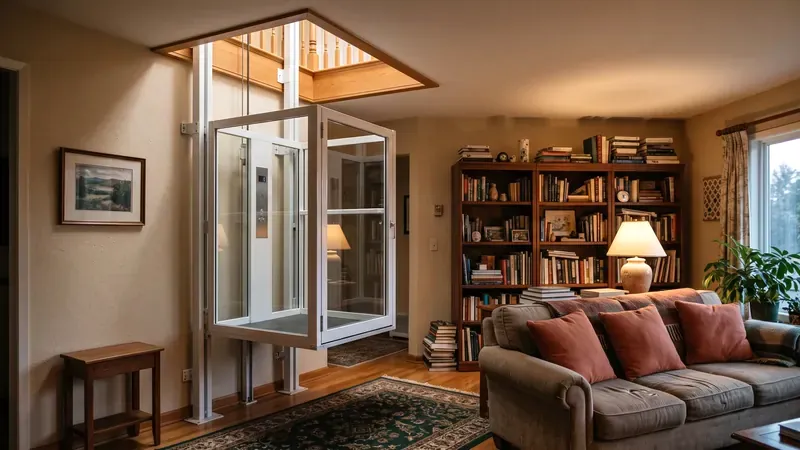 Shaftless home elevator | $19,000–$32,000 |
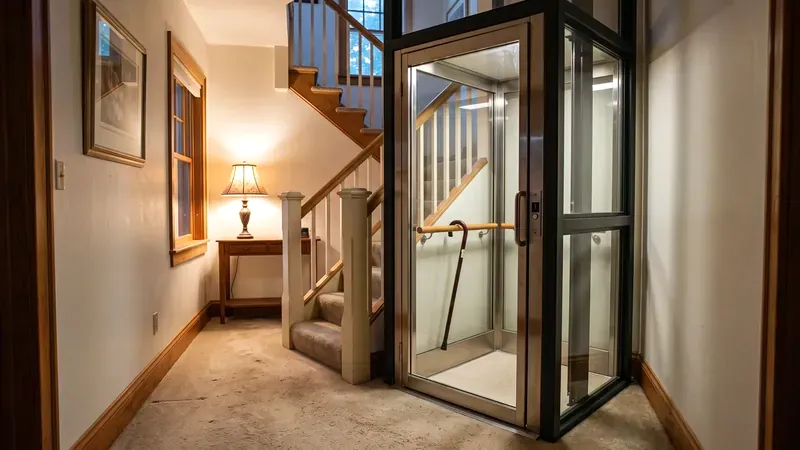 Small one person lift | $23,000–$27,000 |
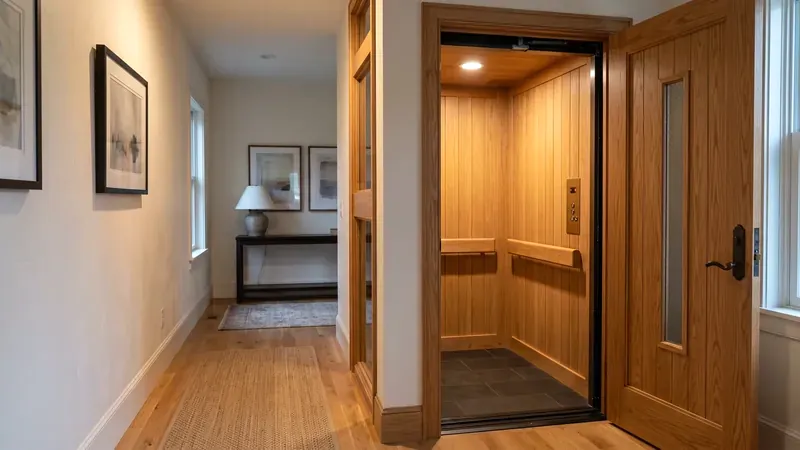 Hydraulic elevator | $23,000–$51,000 |
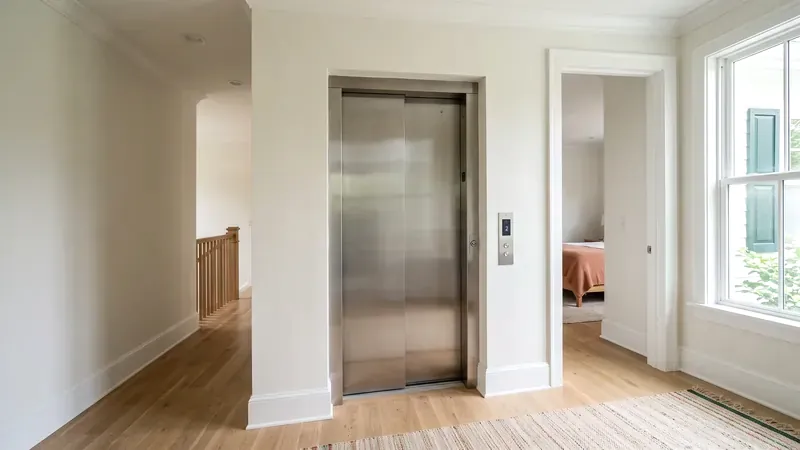 Traction or cable elevator | $25,000–$45,000 |
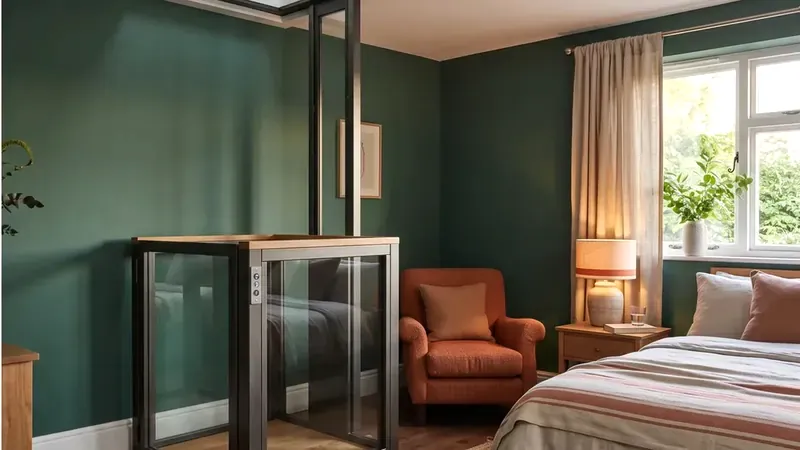 Through floor lift | $28,000–$54,000 |
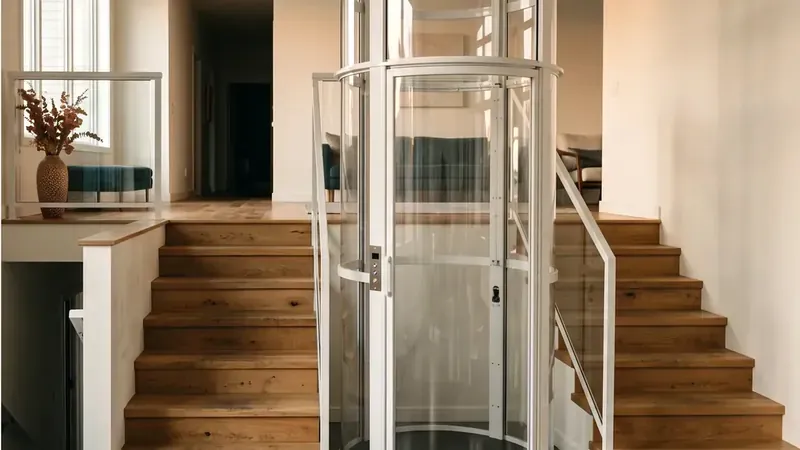 Pneumatic vacuum elevator | $33,000–$54,000 |
Installed for two floors. Also priced: a platform lift (an open platform, not an enclosed elevator) $5,000–$20,000, and a glass elevator $50,000–$100,000. Yearly service: $300–$760 (Angi).
Rules and Installer Pay in Georgia
- State permit or inspection
- Partly: permit and first inspection only
- Licensed installer for home work
- Yes: residential elevator certification
- Elevator installer pay
- $40.14 an hour (US $52.84)
- The state checks the finished lift once, at the end
- no recurring yearly inspections
- Your installer must carry Georgia's elevator credential
- State help to pay in Georgia
- Tax credit, grant, low-cost loan
Rules set by the Georgia Office of Insurance and Safety Fire Commissioner.
The typical price is the middle of 51 published US prices for two floors (HomeGuide alone quotes $30,000 to $60,000). How the figures are built.
Home elevator cost in Georgia usually starts from the national range of about $30,000 to $50,000 installed, and the state charges a $400 permit fee plus $50 for every floor opening. Whether the lift is for a parent, a spouse, or for you as the years go on, these numbers give you a starting point before anyone visits your house to take measurements.
Want real numbers sooner? One short call links you to a certified local dealer who can measure your home and give you a written quote: no need to untangle the licensing rules on your own.
Prices by Type of Lift
What drives the price most is the kind of lift you choose and how it travels between floors. Installed prices run from about $5,000 for a platform lift to $100,000 for a glass elevator, based on a wide set of published ranges. Keep in mind these are national figures, so a quote from a local company might sit above or below them.
- A platform lift usually lands between $5,000 and $20,000.
- Shaftless models generally run $20,000 to $35,000.
- A small elevator tends to come in around $25,000 to $30,000.
- Hydraulic lifts span roughly $25,000 to $56,500.
- A shaft elevator typically costs $25,000 to $56,500.
- Traction systems usually fall between $27,000 and $50,000.
- Through-floor lifts often run $30,000 to $60,000.
- Pneumatic models generally sit in the $35,000 to $60,000 range.
- Glass elevators are the priciest, usually $50,000 to $100,000.
Shaftless and through-floor lifts travel through a hole cut into the ceiling rather than running inside an enclosed shaft. A pneumatic lift uses air pressure in a clear tube to move the cab. These prices come from the site's own figures. For a two-story house, a home elevator typically runs $30,000 to $60,000.
Adding Floors or a Shaft
Every floor beyond two adds roughly $9,000 to $15,000. If your house has no shaft, putting one into an existing home runs about $5,000 to $25,000. So a traction elevator that serves three floors in a house needing a new shaft would add both of these costs to its base price.
A dealer who visits and measures can pin down which of these items applies to your situation.
Georgia Permit Fees
For lifts inside a private home, Georgia charges these state fees.
| Item | Fee |
|---|---|
| Permit for a private residence elevator | $400 |
| Additional openings on the elevator | $50 each |
| First platform lift or stair chairlift on the property | $250 |
| Any further lift on the same permit | $50 |
| Inspections beyond the included one | $250 an hour |
| Other state visits or services | $250 per elevator, per trip |
To give an example, a two-stop elevator with an opening on each floor works out to a $500 permit fee. The permit fee already covers one acceptance inspection. That inspection is how the state checks the finished lift before you begin using it.
Who Inspects Home Elevators in Georgia?
Home elevators fall under the State Fire Marshal's Elevator Section, which sits inside the state agency led by Georgia's Insurance and Safety Fire Commissioner. You need both a permit to install and a final inspection sign-off. After that, though, a lift in a private home skips the ongoing inspections that elevators in other buildings must have. If you want the state to look at your unit anyway and issue a report, the office will do it for a fee.
A detached house counts as a private residence in Georgia. So does a single unit occupied by one person or family, which means an elevator inside a condo unit is viewed the same way.
When it comes to platform lifts and stair chairlifts, a state inspector is not always the one who handles the permit inspection: a licensed private firm can take that on instead. This is allowed only once the installer holds a permit in hand along with two approved sets of stamped drawings.
Licensing and Pay for Installers
Working in homes does not exempt anyone from Georgia's licensing rules. Georgia issues credentials to elevator contractors and mechanics, and two of its categories apply to residential work:
- Class III is the wide-ranging one: home elevators, dumbwaiters, and lifts of both the platform and stair-chair kind.
- Class IIIR is the narrow credential, set aside for residential platform lifts and stair chairlifts alone.
Your certified contractor handles the permit for you, working from approved stamped drawings. Georgia's rules are built on ASME A17.1-2019, the national elevator safety code, plus standards covering older elevators and accessibility.
Labor shows up in every quote. In Georgia, elevator installers make a median of $40.14 an hour, below the $52.84 median nationwide. Carpenters, the crew that builds out the shaft or cuts the opening in the floor, earn a median of $23.72 per hour in the state.
Ways to Pay in Georgia
A few Georgia programs can ease the cost.
- CreditAble loan: Loans with below-market rates and longer repayment periods for people with disabilities and their families. The money can go toward a lift, accessibility changes to the home, and similar assistive technology. The loan program is operated by FODAC under Georgia's Tools for Life initiative.
- DCA Home Access Program: Home modifications paid for with state money for owner-occupied homes where a person with a disability lives. The program runs under Georgia's Statewide Independent Living Council, with a 2027 budget of $600,000.
- Disabled Person Home Purchase or Retrofit Credit: Georgia offers a credit against your state income tax worth as much as $500 for a taxpayer or spouse with a permanent disability. An elevator is not on the list of qualifying features, but a no-step entrance and wide doors are. Unused portions of the credit roll over for three years.
Get a Quote from a Local Installer
Numbers on a page take you only so far, since no two houses are built the same. One call links you to a nearby home elevator dealer, someone who can measure your house and hand you a written price. Call now to learn what a lift in your home would really cost.
Sources: middle of published US price ranges, Georgia elevator rule (Georgia Office of Insurance and Safety Fire Commissioner), BLS wage figures for Georgia, Disabled Person Home Purchase or Retrofit Credit, DCA Home Access Program, CreditAble AT loan.
Nearby states: Alabama · Florida · North Carolina · South Carolina · Tennessee
Talk to a Lift Installer Near You
One call gets you a local home elevator dealer who can measure your house and put a written price on it.