
Home Elevator for Seniors
A home elevator for seniors needs a cab that fits a walker or wheelchair, simple controls and a way to pay that suits a fixed income.
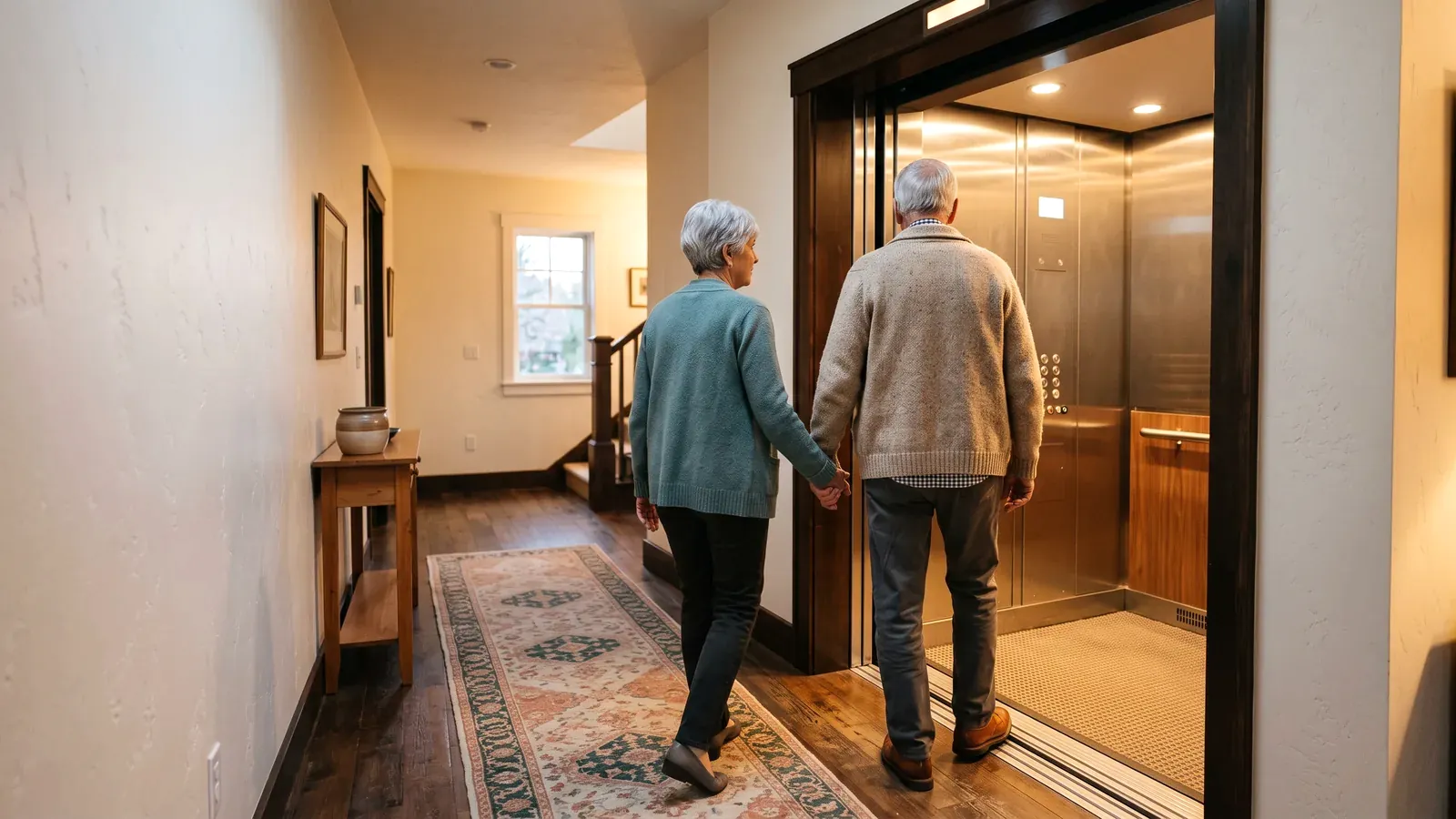
- Many home elevators, installed
- $30,000 to $50,000, but the range is wide
- Compact models
- about $15,000 to $20,000 for one rider, or $25,000 to $30,000 for two
- Medicare does not cover home elevators; its national coverage policy classifies them as convenience items rather than durable medical equipment.
- Biggest VA grant for a veteran with a disability (fiscal year 2026)
- $126,526
Most home elevators for seniors cost $30,000 to $50,000 once they're installed, though smaller, simpler models can cost less. Medicare will not cover one, but there are other ways to ease the bill: a medical tax deduction, grants for veterans, and a repair program from the USDA.
Prices by Type of Home Elevator
Prices vary by lift type, and changes to your house can add to the cost. A shaftless or through-floor lift is a good fit if you don't want a big enclosed tower built into your home.
Here is what a typical install runs for each kind of lift, drawn from published price ranges:
| Kind of lift | Installed price, 2 floors | Shaft or pit |
|---|---|---|
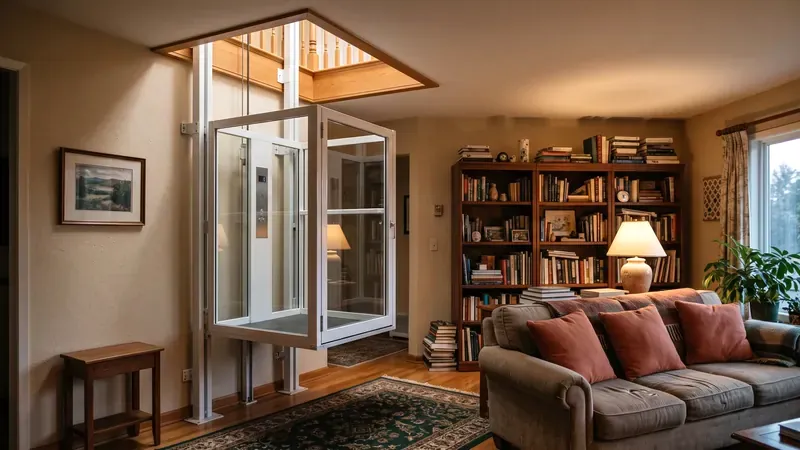 Shaftless home elevator | $20,000–$35,000 | No shaft or pit |
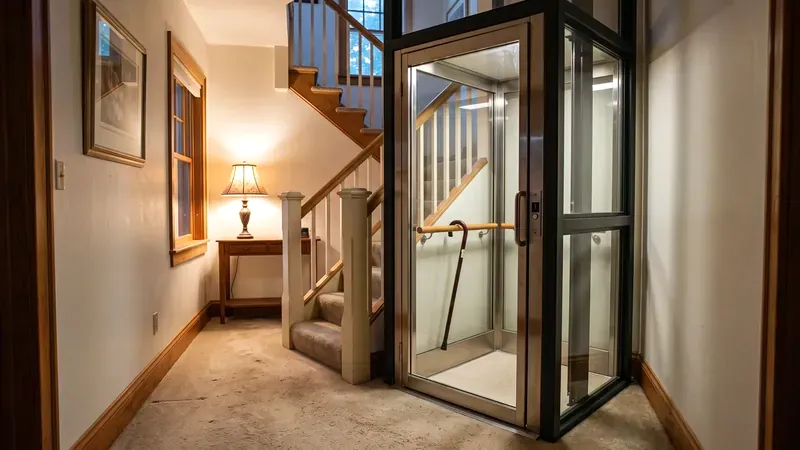 Small one person lift | $25,000–$30,000 | No shaft or pit |
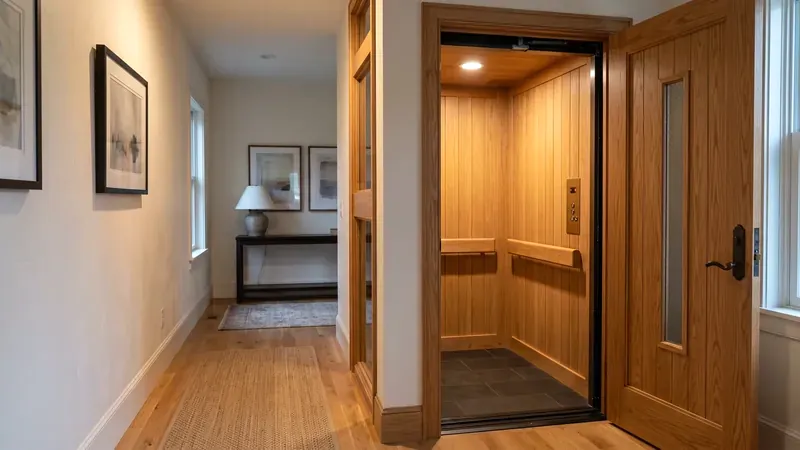 Hydraulic elevator | $25,000–$56,500 | Built shaft and a small pit |
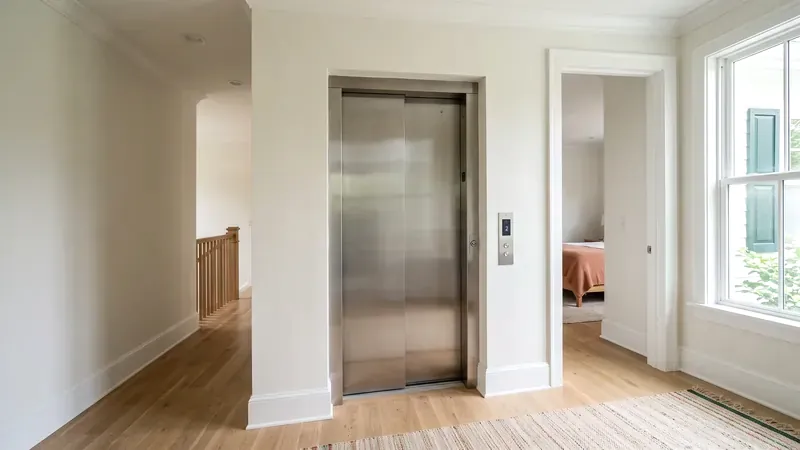 Traction or cable elevator | $27,000–$50,000 | Built shaft and a shallow pit |
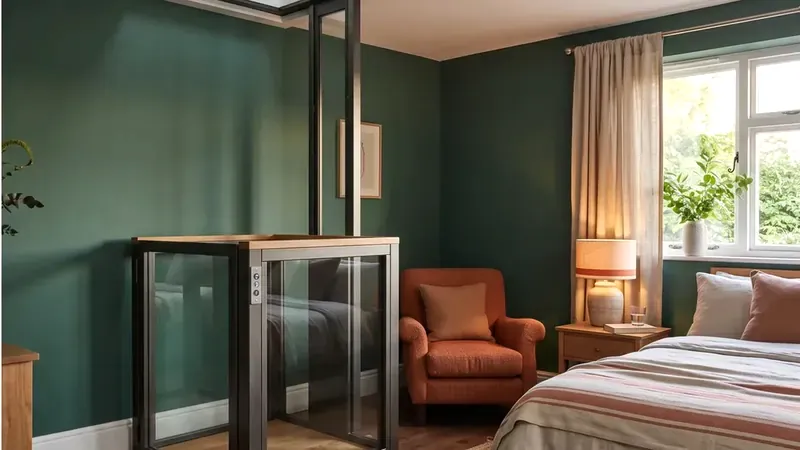 Through floor lift | $30,000–$60,000 | No shaft, an opening in the ceiling |
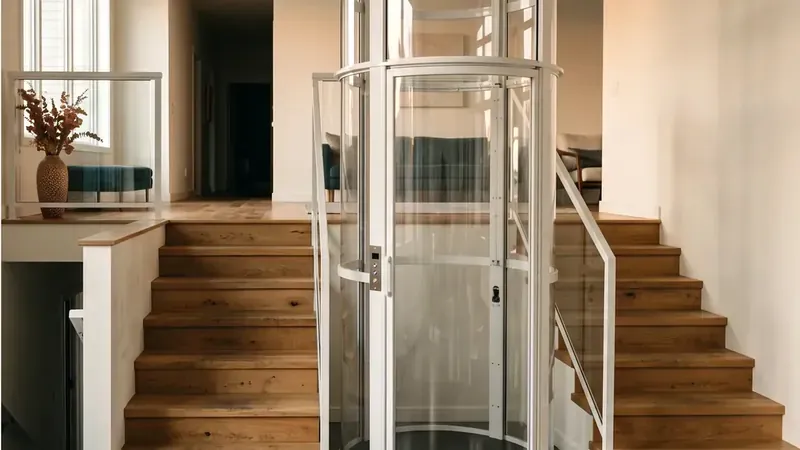 Pneumatic vacuum elevator | $35,000–$60,000 | No shaft or pit |
Installed for two floors. Also priced: a platform lift (an open platform, not an enclosed elevator) $5,000–$20,000, and a glass elevator $50,000–$100,000.
Sources disagree on through-floor lifts. HomeGuide puts the installed cost at $30,000 to $60,000. The manufacturer Savaria prices a two-stop unit, like the Luma, at $30,000 to $40,000. The dealer Lifeway Mobility says $35,000 to $60,000, with tax, shipping, and installation all included.
Extra Costs to Plan For
Two add-ons can push the total well past the starting price.
- Extra floors. Every floor where you can step in or out counts as a "stop." Per HomeGuide, each stop beyond two adds roughly $9,000 to $15,000.
- Putting in a shaft. If your house has no shaft, building one runs about $5,000 to $25,000, per Willow Home.
So a shaft elevator that serves three floors in a house without a shaft could pile both extras onto the starting figure.
Cab Space for a Walker or Wheelchair
If you walk with a walker now, or a wheelchair may be needed down the road, cab size is worth checking. The 2010 ADA Standards specify 30 by 48 inches of clear floor space for a wheelchair. Treat that as the minimum, and it's worth measuring your wheelchair or walker against the cab, the car you ride in, before you buy.
Check both the weight limit and the cab's size, so there is enough capacity and space for everyone who will ride. Per Fixr, a compact elevator built for a single rider holds up to 350 lb and usually costs $15,000 to $20,000, while a two-person version carries up to 500 lb and generally runs $25,000 to $30,000.
A two-person cab leaves room for a relative or carer to ride with you.
Covering the Cost on a Fixed Income
A few programs can shrink your share of the cost. Each follows its own rules, so it pays to check them all.
Tax Deduction for Medical Expenses
The IRS allows a home improvement to count as a medical expense when medical care is its main purpose. Elevators usually raise a home's value, so you can only count the part of the cost that goes beyond that increase. A tax preparer can help you work out your own figure.
Grants for Veterans
Veterans with qualifying disabilities can apply for housing grants from the Department of Veterans Affairs. For fiscal year 2026, the Specially Adapted Housing grant tops out at $126,526, and the Special Housing Adaptation grant at $25,350. If you qualify for Specially Adapted Housing, the Temporary Residence Adaptation benefit can pay up to $50,961; if you qualify for Special Housing Adaptation instead, that benefit is capped at $9,100.
There is also a smaller VA benefit for home modifications called HISA. Its lifetime limit is $6,800 when the disability is service-connected, or for any veteran rated 50% or higher. Any other disability has a $2,000 lifetime cap.
USDA Repair Loans and Grants
Very-low-income homeowners can apply to the USDA Section 504 repair program. Ask your local USDA office whether your home and income qualify.
- Loan: as much as $40,000
- Grant: as much as $10,000, and only for homeowners 62 or older
- Loan and grant together: as much as $50,000
Questions People Often Ask
How much does it cost, on average, to add an elevator to a house?
Many home elevators cost $30,000 to $50,000 installed, but the range is wide. The cheapest route is a platform lift, which runs about $5,000 to $20,000 installed, though it is a different option from an enclosed home elevator. Glass elevators typically cost $50,000 to $100,000.
Which home elevators suit seniors best?
That depends on your budget, how many floors you have, and whether a wheelchair must fit. A pneumatic model built for one rider, like the PVE30, runs about $35,000 to $50,000 installed, per HomeGuide. It carries a single passenger. If someone needs to ride with you, check that the cab has enough room and weight capacity for both of you.
Talk to a Lift Installer Near You
One call gets you a local home elevator dealer who can measure your house and put a written price on it.