
Home Elevator Cost in Alabama
- Typical installed price, 2 floors (US)
- $30,000–$50,000
- Our estimate for Alabama, 2 floors
- $30,000–$49,000
- US range, cheapest to dearest kind
- $20,000–$60,000
- Alabama state fee
- $250 permit, two inspections included
Ask whether your installer's quote already includes the Alabama state fee.
Call us today. We'll connect you with an Alabama dealer who will measure your home and give you a written price, so you know your cost before you decide.
Installed Price by Kind of Lift
Installed for two floors. Our Alabama estimate moves each US price by the same share as the state's two-floor estimate (elevator installers' pay against the US).
| Kind of lift | Our estimate in Alabama, 2 floors |
|---|---|
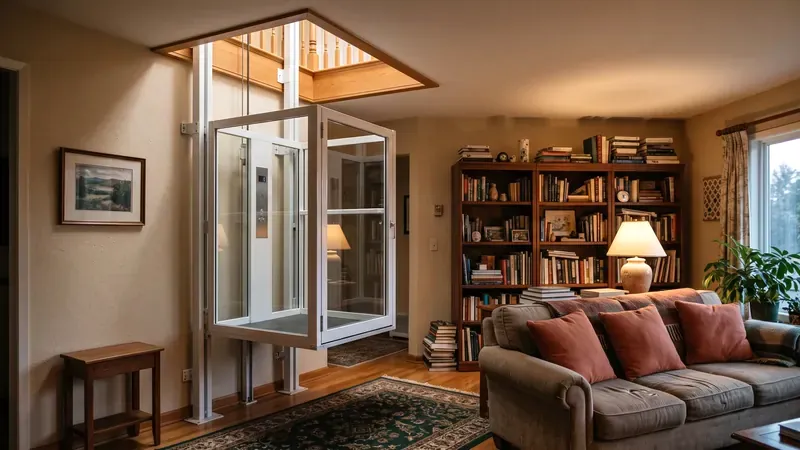 Shaftless home elevator | $20,000–$34,000 |
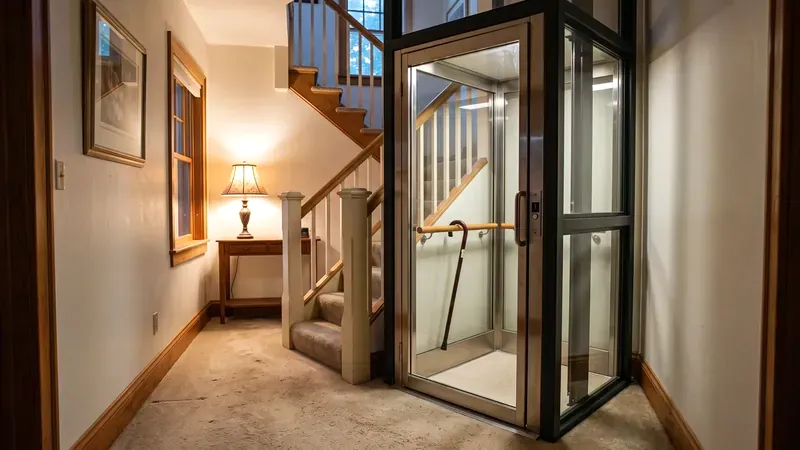 Small one person lift | $25,000–$29,000 |
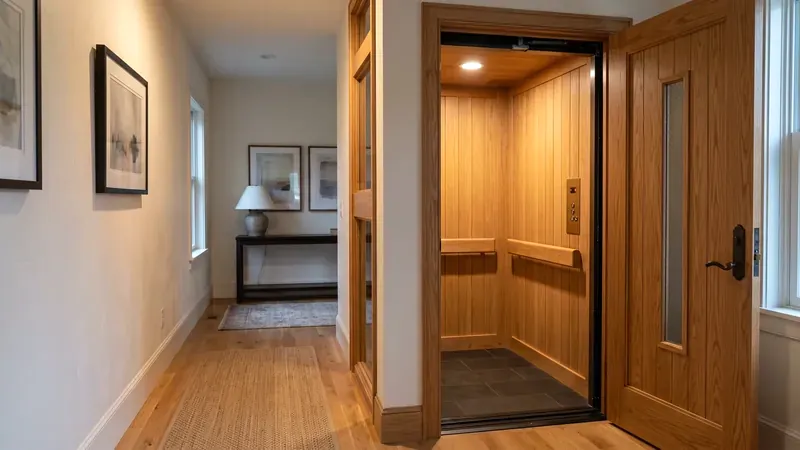 Hydraulic elevator | $25,000–$55,000 |
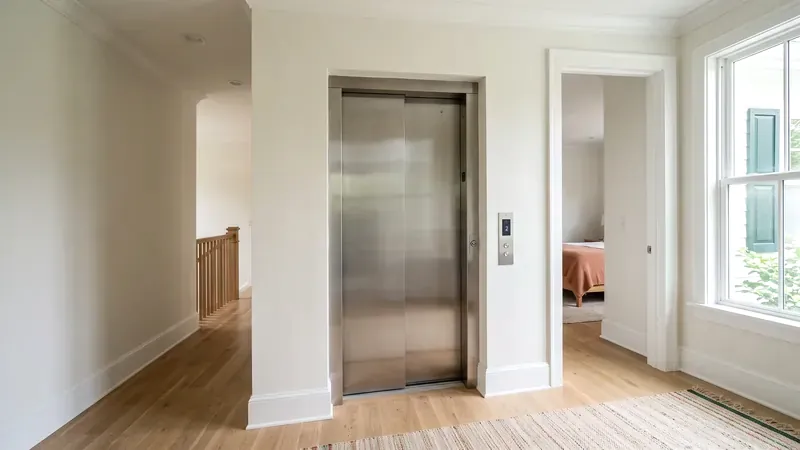 Traction or cable elevator | $27,000–$49,000 |
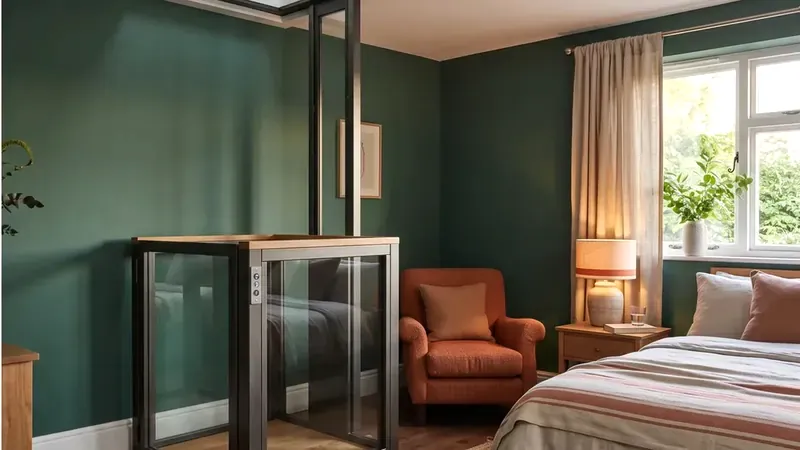 Through floor lift | $30,000–$59,000 |
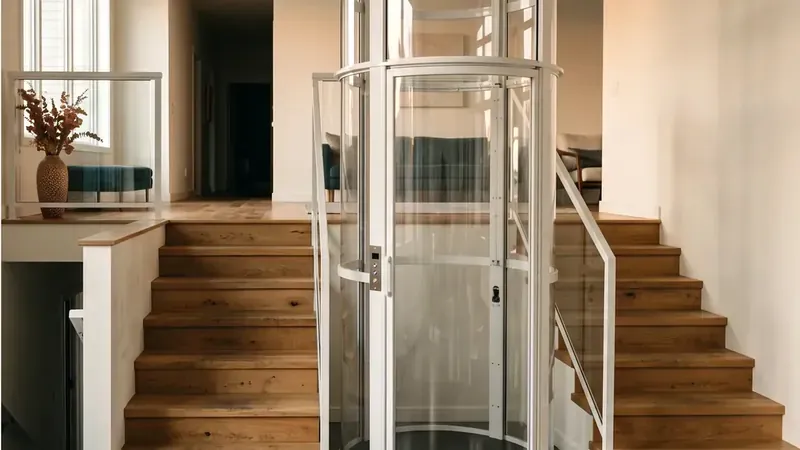 Pneumatic vacuum elevator | $35,000–$59,000 |
Installed for two floors. Also priced: a platform lift (an open platform, not an enclosed elevator) $5,000–$20,000, and a glass elevator $50,000–$100,000. Yearly service: $300–$760 (Angi).
Rules and Installer Pay in Alabama
- State permit or inspection
- Yes: state permit, licensed third-party inspector
- Licensed installer for home work
- Yes: a licensed elevator contractor
- Elevator installer pay
- $49.86 an hour (US $52.84)
- Added inspection trip
- $260
- State help to pay in Alabama
- Medicaid waiver
Rules set by the Alabama Department of Labor.
The typical price is the middle of 51 published US prices for two floors (HomeGuide alone quotes $30,000 to $60,000). How the figures are built.
Home elevator cost in Alabama starts from the national figure: published prices put a typical installed lift at $30,000 to $50,000. Your Alabama quote will depend on the lift and the work your house needs, and state law requires a licensed installer and an inspection.
Installed Price for a Home Elevator
Across the country, an installed elevator for a two-story home typically costs $30,000 to $50,000. The kind of lift you pick drives most of the price.
We base these numbers on the middle of published price ranges, which our about page describes. A written quote for your own house will be closer to reality.
Costs That Can Raise the Price
Every floor past the second adds roughly $9,000 to $15,000. If your house needs a shaft built in, meaning the enclosed column the elevator moves through, that runs an extra $5,000 to $25,000.
A carpenter handles framing the shaft or cutting the floor opening, and the Bureau of Labor Statistics puts the median Alabama carpenter wage at $23.18 an hour.
One phone call puts you in touch with a local dealer who will measure your house and hand you a written price.
Alabama Permit and Inspection Fees
Elevators, platform lifts, and stairway chairlifts inside private homes in Alabama fall under the Alabama Department of Labor. A permit to install an elevator or inclined lift in a private residence costs $250. That money covers two acceptance inspections along with the operating permit, per the state fee rules.
A permit for a wheelchair lift is $250 as well. Once you use up the two included inspections, each added visit runs $260. The general fee schedule lists $100 for a one-year operating certificate, but for a home elevator the first operating permit is part of the $250. State law waives the certificate fee for stairway chairlifts in private homes.
Licensed Installers Are Required
Alabama's Elevator Safety Act says every home elevator must go in through a licensed contractor. Elevator mechanics and contractors both get licensed by the state. There is also a limited license for workers whom the equipment manufacturer has certified.
Your licensed contractor is the one who submits the installation permit and first-time registration to the state. Then a licensed third-party inspector handles the acceptance inspection. Once that is done, the home receives its operating certificate from the state.
What Inspectors Check at Your Home
On new residential elevators, inspectors have to measure the gap limit at the hoistway opening, which people call the 3x5 rule. Alabama starts following the newest ASME elevator and lift standards (A17.1 and A18.1) six months after each one takes effect.
Private homes do not have to be re-inspected every year. That choice is yours.
State law beats local ordinances, so no city or county can write its own elevator rules. You only work with the state, not a city or county elevator office.
Help With Paying for a Lift in Alabama
Two Alabama programs might help with the bill:
- The Ability Loan Program, which Accessing Potential Through Assistive Technology runs within Alabama's Department of Rehabilitation Services.
- The SAIL Waiver from Alabama Medicaid, covering approved home updates such as ramps, grab bars, and wider doors.
Under the SAIL waiver rule, you need prior approval. It leaves out additions to square footage and structural changes, and a new shaft may count as one. The rule does not state a dollar cap, but amounts above the program's maximum need state approval, so do not count on it to pay for a new shaft.
Call us now for a free written price from a dealer who measures your home, so you know your cost before you commit.
Sources: middle of published US price ranges, Alabama elevator rule (Alabama Department of Labor), BLS wage figures for Alabama, Alabama Medicaid SAIL Waiver.
Nearby states: Florida · Georgia · Mississippi · Tennessee
Talk to a Lift Installer Near You
One call gets you a local home elevator dealer who can measure your house and put a written price on it.