
Home Elevator Cost in Colorado
- Typical installed price, 2 floors (US)
- $30,000–$50,000
- Our estimate for Colorado, 2 floors
- $31,000–$52,000
- US range, cheapest to dearest kind
- $20,000–$60,000
- State permit in Colorado
- No: local building departments handle it
Permit from the state: not required for a single-family home; the call belongs to your local building department
Installed Price by Kind of Lift
Installed for two floors. Our Colorado estimate moves each US price by the same share as the state's two-floor estimate (elevator installers' pay against the US).
| Kind of lift | Our estimate in Colorado, 2 floors |
|---|---|
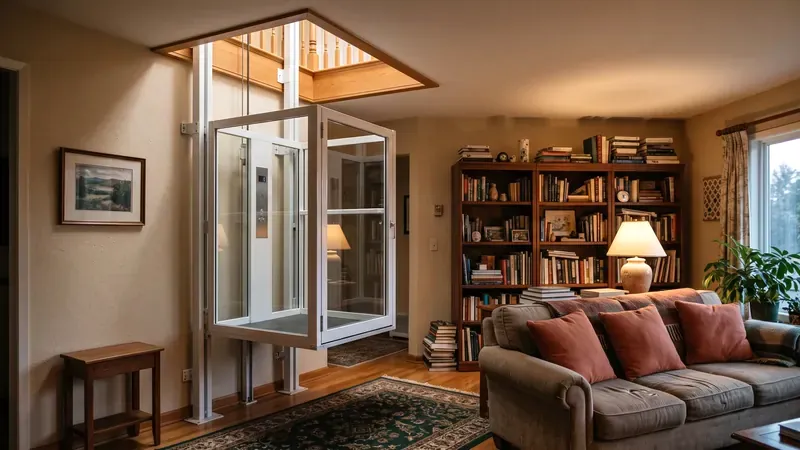 Shaftless home elevator | $21,000–$36,000 |
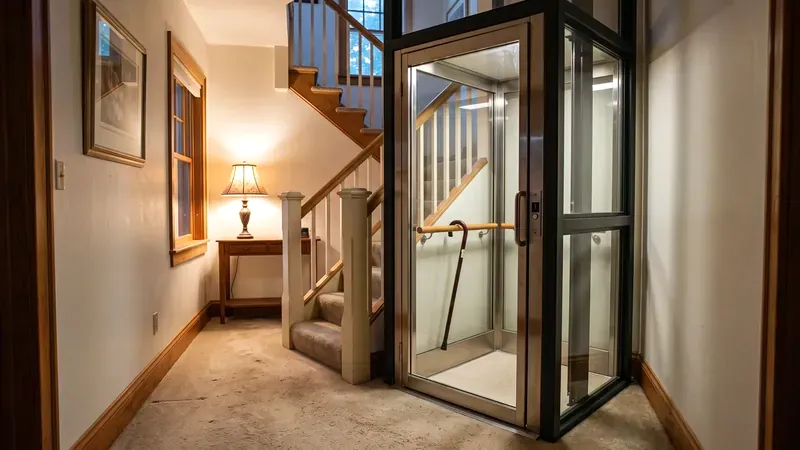 Small one person lift | $26,000–$31,000 |
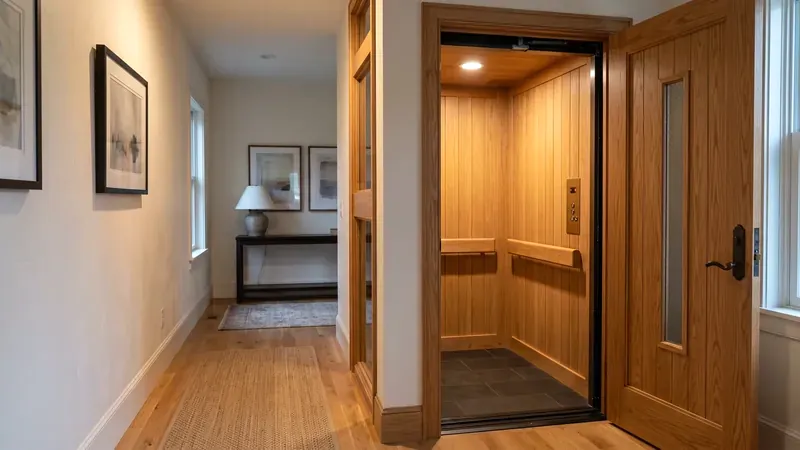 Hydraulic elevator | $26,000–$59,000 |
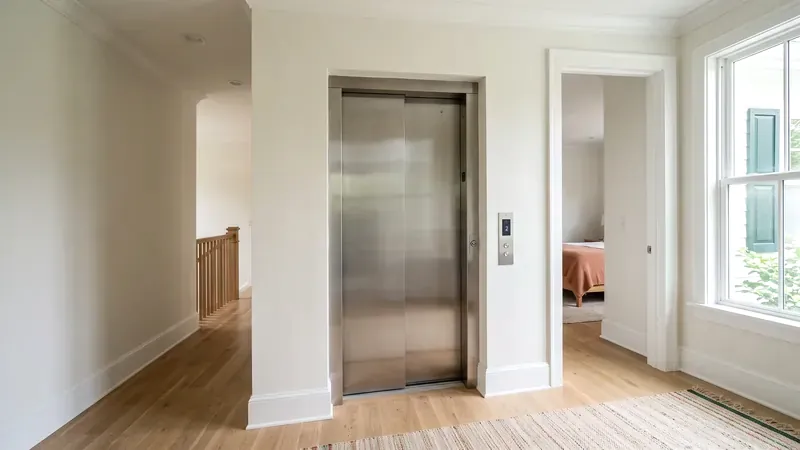 Traction or cable elevator | $28,000–$52,000 |
 Through floor lift | $31,000–$62,000 |
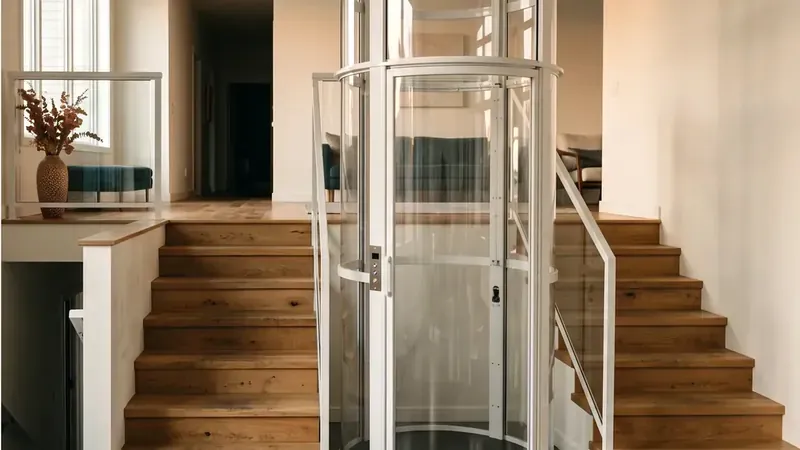 Pneumatic vacuum elevator | $36,000–$62,000 |
Installed for two floors. Also priced: a platform lift (an open platform, not an enclosed elevator) $5,000–$20,000, and a glass elevator $50,000–$100,000. Yearly service: $300–$760 (Angi).
Rules and Installer Pay in Colorado
- Licensed installer for home work
- No: houses are exempt from state rules
- Elevator installer pay
- $59.31 an hour (US $52.84)
- Medicaid lifetime cap on home modifications
- $14,000
- State help to pay in Colorado
- Medicaid waiver (up to $14,000)
Rules set by the Colorado Department of Labor and Employment.
The typical price is the middle of 51 published US prices for two floors (HomeGuide alone quotes $30,000 to $60,000). How the figures are built.
A home elevator generally runs $30,000 to $50,000 once it is installed, going by the national figures that companies and cost guides publish, and Colorado quotes start from there. What moves that number is the kind of lift you choose, how many floors it serves, and whether your house needs a shaft built. A dealer near you can visit, take measurements and put a quote in writing.
Costs by Type of Lift
Every number below is a usual installed cost, taken from the middle of the ranges that cost guides and companies publish. We explain how we gather these on our about page. A shaftless lift travels along a rail between two floors, with no enclosed shaft around it. A pneumatic lift glides inside a clear tube, pushed by air pressure.
Nationwide, HomeGuide puts a two-story home elevator at $30,000 to $60,000 installed. The biggest decision you face is which type suits your stairs and layout, and a dealer who visits can point out which ones will work.
Extra Floors and Building a Shaft
Each floor past the second one adds roughly $9,000 to $15,000, per the published per-stop figures. Put another way, serving three floors costs that much more than the same elevator serving two.
If your home has no spot for the lift, a shaft costs another $5,000 to $25,000 to build, per a Boulder home guide. In some houses, a shaftless or through-floor lift skips that work entirely.
Labor Rates in Colorado
Installers here earn above the national average. That pay shows up in any local quote you receive.
| Job | Median pay in Colorado | Median pay in the US |
|---|---|---|
| Installers who put in elevators and escalators | $59.31 per hour | $52.84 per hour |
| Carpenters framing shafts and floor openings | $30.21 an hour | not listed |
The Bureau of Labor Statistics, May 2025, is the source for the Colorado wages here, and the installer figure for the whole country comes from that agency's job outlook.
Does Colorado Require a Permit for a Home Elevator?
Single-family houses are outside the state's elevator permitting and inspection system. Colorado's conveyance rules, which took effect January 1, 2026, exclude elevators in a single-family home along with every stairway chairlift, per the regulations.
So the decision lands with your local building department. The state may also pass elevator oversight to a city or county running a program that is at least as strict, per the state program. Who inspects your elevator, then, varies by where you live. A dealer who serves your area knows what your town or county requires.
What the Pikes Peak Region Requires
The Pikes Peak Regional Building Department, serving Colorado Springs and El Paso County, asks for three things for every new home elevator, per its policy on conveyances:
- A permit for the work
- A plan review based on the 2023 Pikes Peak Regional Building Code
- A final acceptance inspection using the national elevator safety code
The acceptance inspection happens after the elevator is in place and before you start using it.
Online you may see state fees: $300 for an installation permit, $200 to register, plus $30 for a certificate of operation. Such charges apply to elevators the state regulates, like the ones in businesses, and not a single-family home.
Who Is Allowed to Install One?
Elevator mechanics, contractors, and inspectors all need licenses in Colorado. State law wants a licensed mechanic employed by a certified contractor, plus a licensed inspector, even inside a private home. Since the rules leave single-family houses out, how the state enforces this in homes is unclear, per the statute and rules.
In the Pikes Peak region, a contractor working only in houses needs the local "Residential Only" license. Private homeowners are not touched by the state's penalty rules. Since 2008, Colorado has barred home elevator models from commercial buildings, so houses are the only place for these lifts. An installer holding the right local license keeps your project safe when the inspector shows up.
Using Health First Colorado to Pay
Health First Colorado, the state Medicaid program, helps cover the cost of home changes under its Home Modification benefit. Waivers are Medicaid programs that pay for help at home instead of care in a facility. Each of these four waivers caps home modifications at $14,000 total for a lifetime:
- Elderly, Blind, and Disabled
- Brain Injury
- Complementary and Integrative Health
- Community Mental Health Supports
Another state resource is the Assistive Technology Act Program of Colorado, housed at the University of Colorado Denver. When you apply for cost help, a written quote is usually the first item asked for, so call now to start one.
How to Get Your Written Quote
Published ranges are a starting point, but your stairs, your floors, and your local rules decide the real figure. One call connects you with a nearby dealer who will measure your house and put the price in writing.
Sources: middle of published US price ranges, Colorado elevator rule (Colorado Department of Labor and Employment), BLS wage figures for Colorado, Health First Colorado.
Nearby states: Arizona · Kansas · Nebraska · New Mexico · Oklahoma · Utah · Wyoming
Talk to a Lift Installer Near You
One call gets you a local home elevator dealer who can measure your house and put a written price on it.