
Home Elevator Cost in West Virginia
- Typical installed price, 2 floors (US)
- $30,000–$50,000
- Our estimate for West Virginia, 2 floors
- $30,000–$51,000
- US range, cheapest to dearest kind
- $20,000–$60,000
- West Virginia state fee
- $100 Division inspection, private inspectors vary
Ask whether your installer's quote already includes the West Virginia state fee.
Installed Price by Kind of Lift
Installed for two floors. Our West Virginia estimate moves each US price by the same share as the state's two-floor estimate (electricians' pay against the US).
| Kind of lift | Our estimate in West Virginia, 2 floors |
|---|---|
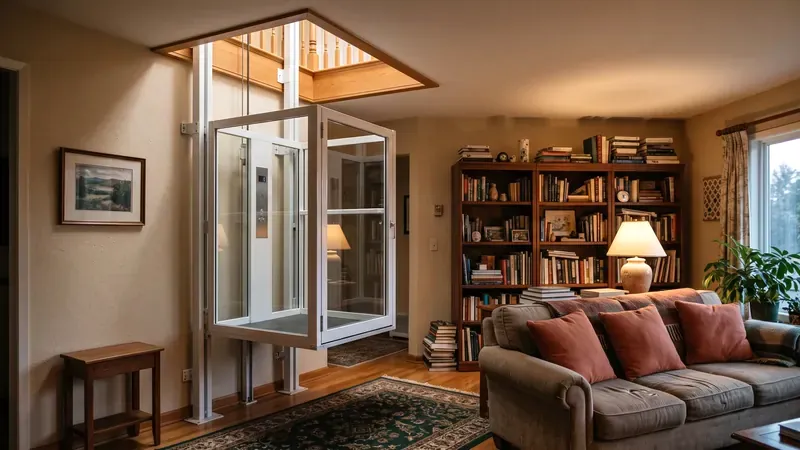 Shaftless home elevator | $20,000–$36,000 |
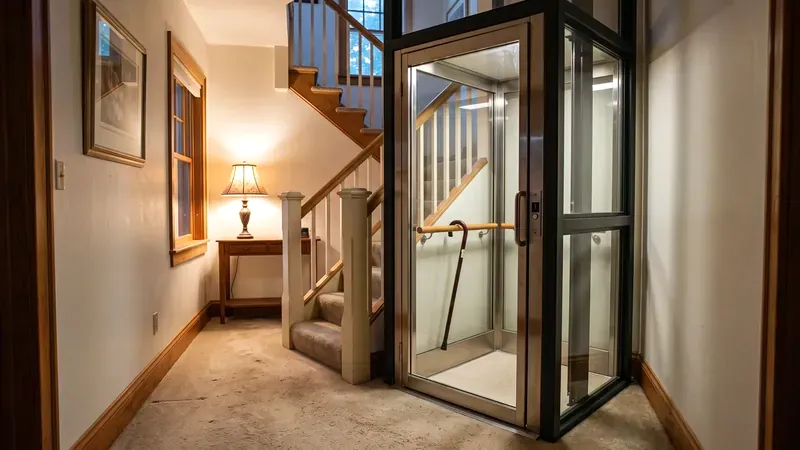 Small one person lift | $25,000–$31,000 |
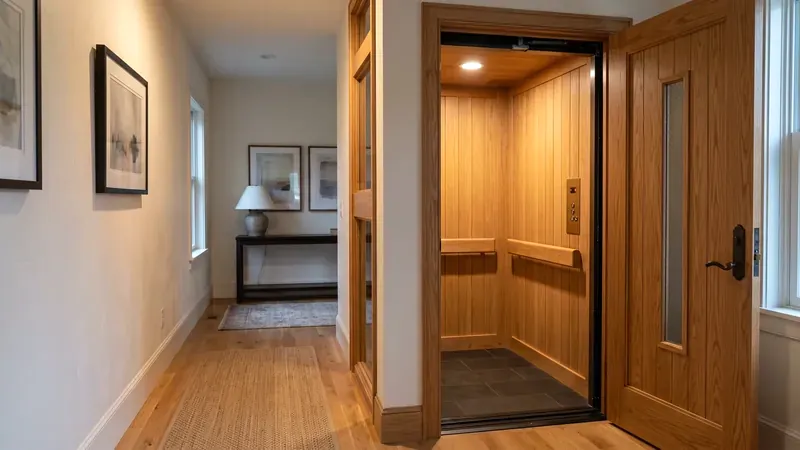 Hydraulic elevator | $25,000–$58,000 |
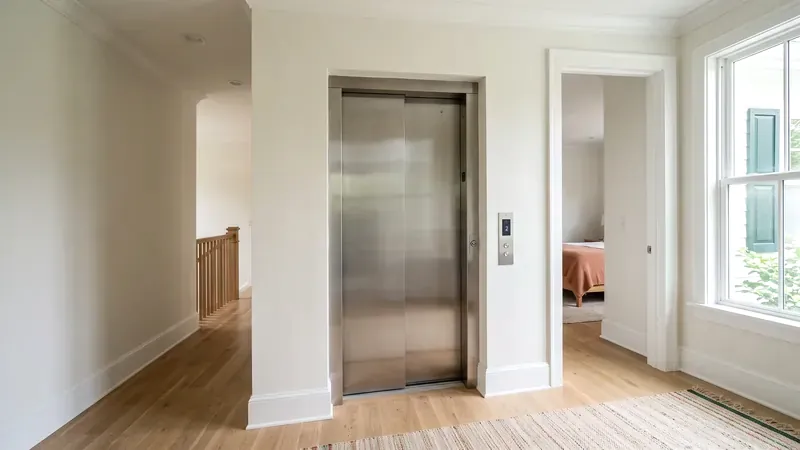 Traction or cable elevator | $27,000–$51,000 |
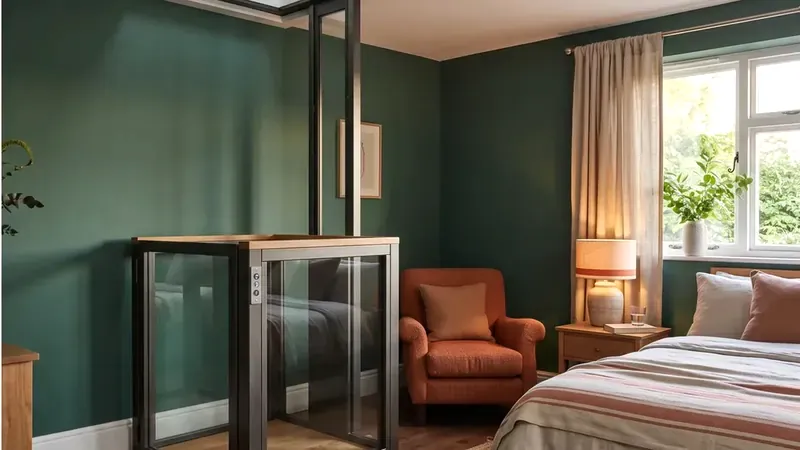 Through floor lift | $30,000–$61,000 |
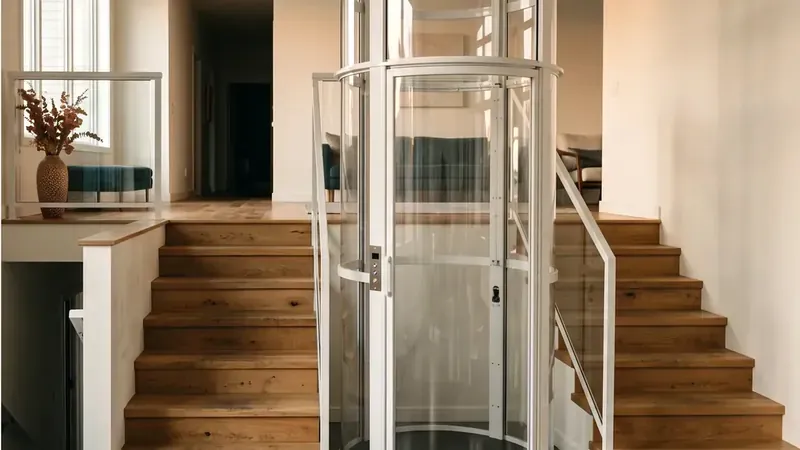 Pneumatic vacuum elevator | $35,000–$61,000 |
Installed for two floors. Also priced: a platform lift (an open platform, not an enclosed elevator) $5,000–$20,000, and a glass elevator $50,000–$100,000. Yearly service: $300–$760 (Angi).
Rules and Installer Pay in West Virginia
- State permit or inspection
- Partly: acceptance test and sale inspection only
- Licensed installer for home work
- Limited accessibility technician licence
- Electrician pay
- $31.16 an hour (US $30.38)
- Yearly state certificate
- none required for a single-family home
- State help to pay in West Virginia
- Low-cost loan, Medicaid waiver
Rules set by the West Virginia Division of Labor.
The typical price is the middle of 51 published US prices for two floors (HomeGuide alone quotes $30,000 to $60,000). How the figures are built.
Published price ranges suggest budgeting $30,000 to $50,000 for home elevator cost in West Virginia, though your quote will depend on the lift and the work your house needs. What you actually spend comes down to the kind of lift you pick, how many floors it serves, and whether the house needs a new shaft, so call today to ask for a written quote on your home.
Prices by Type of Home Elevator
Nothing shapes the final bill more than which kind of lift you choose. These typical installed ranges are based on the median low and high prices in published estimates.
A shaftless model travels through a cutout in the floor, so a full enclosed shaft is not needed. A pneumatic lift is a transparent tube where air pressure moves the cab. A platform lift is simply an open platform that raises a person or a wheelchair over a short distance.
Extra Floors and Building a Shaft
Across the country, an elevator for a two-story home runs $30,000 to $60,000. Each floor past two adds roughly $9,000 to $15,000.
If your home has no room set aside for a shaft, building one into an existing house runs an extra $5,000 to $25,000. An installer can look at your house and tell you if you need one.
What the Trades Cost in West Virginia
Some of your money goes to the electricians and carpenters on the job. Electricians here make a median of $31.16 an hour, not far off the US median of $30.38. Carpenters, the ones who frame shafts and floor cutouts, earn roughly $23.42 an hour across the state, per the same wage data.
Permits and Inspections in West Virginia
The Elevator Safety Section of the West Virginia Division of Labor oversees home elevators. The state's Elevator Safety Act leaves elevators inside a single-family home out of its scope, so there is no yearly certificate of operation for your home.
Two checks still apply:
- Every newly installed home elevator needs to pass an acceptance test. That first check happens once the lift is finished, and the Division of Labor receives the inspector's report.
- Any home elevator needs an inspection whenever the property changes hands.
Since 2004, private inspectors approved by the state have handled most inspections across West Virginia, so you or your installer hire one. Private inspectors charge whatever they choose. If a Division inspector does the work, it costs $100, plus $25 for each additional elevator in the same building.
Newly installed home elevators are tested under the national elevator safety code's private residence section, which West Virginia follows.
Who Can Put One In?
Elevator mechanics, contractors, and accessibility technicians all need state licences, issued by the Division of Labor. For accessibility technicians, the licence is a narrow one, and it applies to home elevators, platform lifts, and stair chairlifts inside private homes. Because single-family home elevators sit outside the act, it is hard to say whether the licence is truly needed for a job in your own house. Choosing a licensed installer makes the question go away.
Ways to Pay in West Virginia
Two state programs can ease the cost of accessibility gear:
- Technology Related Assistance Revolving Loan Fund: West Virginia runs this lending program to help residents buy assistive technology, and the Division of Rehabilitation Services handles the applications. We did not find loan limits or rates listed on the page we reviewed.
- I/DD Waiver (Environmental Accessibility Adaptation): under this Medicaid waiver, home accessibility changes are covered once you get approval, though the cap is $1,000 per year, shared with Goods and Services. An elevator costs far more than that cap will cover.
Knowing the real price early shows how big a loan you will need.
Get a Price From a Local Installer
Call today to ask for a written quote based on your home, the floors the lift must serve, and any shaft work it needs. The sooner you know the price, the sooner you can plan the loan, the shaft, and the start date.
Sources: middle of published US price ranges, West Virginia elevator rule (West Virginia Division of Labor), BLS wage figures for West Virginia, West Virginia Technology Related Assistance Revolving Loan Fund, West Virginia I/DD Waiver.
Nearby states: Kentucky · Maryland · Ohio · Pennsylvania · Virginia
Talk to a Lift Installer Near You
One call gets you a local home elevator dealer who can measure your house and put a written price on it.