
Home Elevator Cost in Vermont
- Typical installed price, 2 floors (US)
- $30,000–$50,000
- Our estimate for Vermont, 2 floors
- $30,000–$50,000
- US range, cheapest to dearest kind
- $20,000–$60,000
- Vermont state fee
- Rentals, condos: $25 permit, up to $100 inspection
Ask whether your installer's quote already includes the Vermont state fee.
Installed Price by Kind of Lift
Installed for two floors. Our Vermont estimate moves each US price by the same share as the state's two-floor estimate (electricians' pay against the US).
| Kind of lift | Our estimate in Vermont, 2 floors |
|---|---|
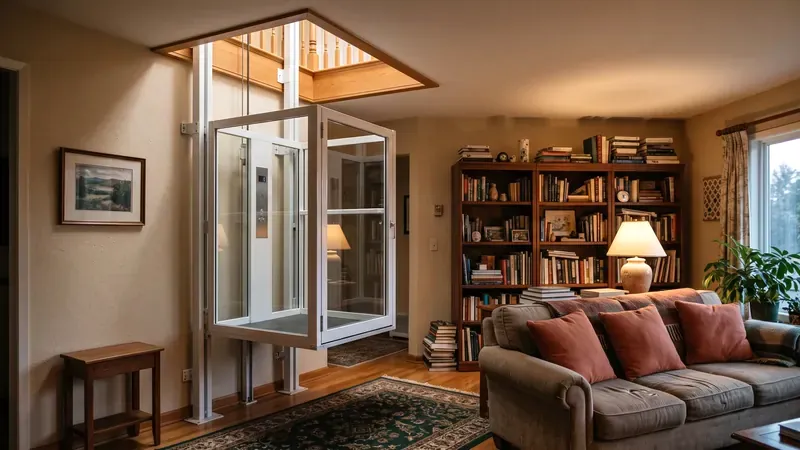 Shaftless home elevator | $20,000–$35,000 |
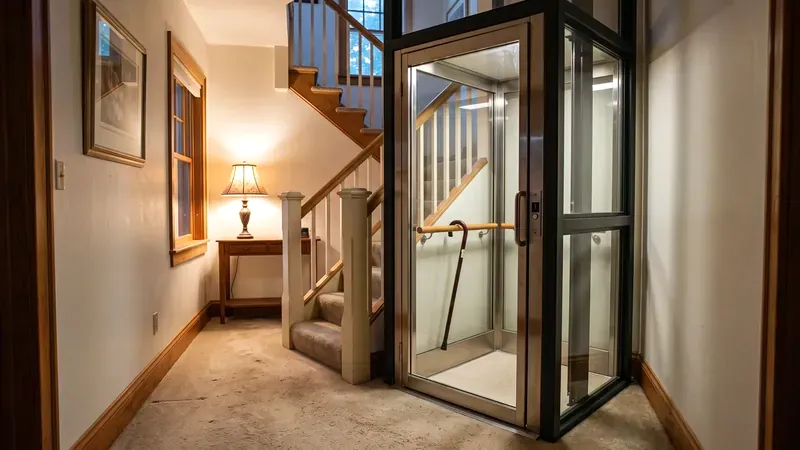 Small one person lift | $25,000–$30,000 |
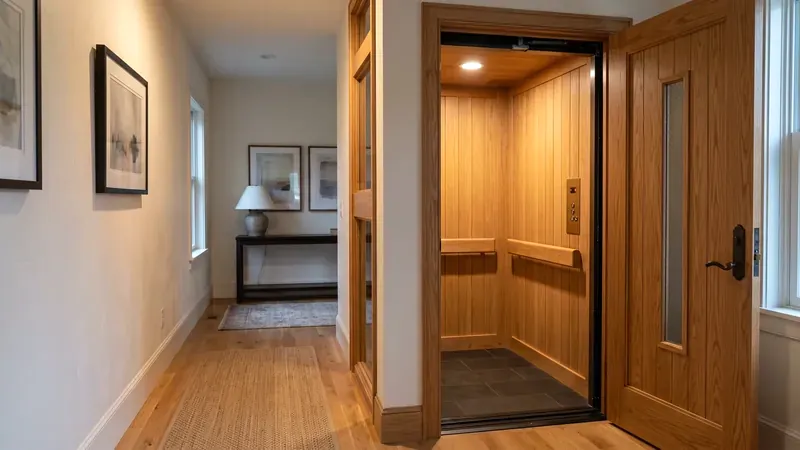 Hydraulic elevator | $25,000–$57,000 |
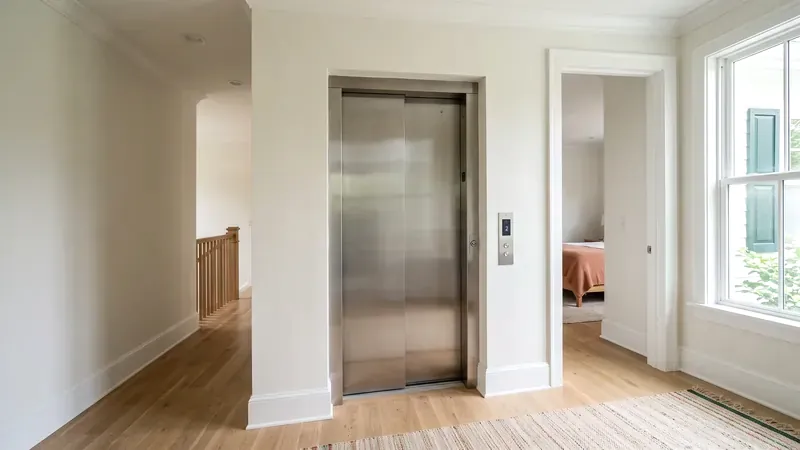 Traction or cable elevator | $27,000–$50,000 |
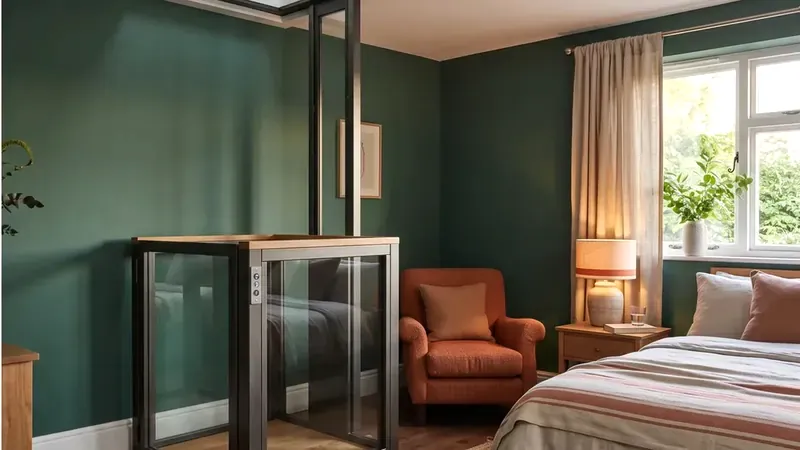 Through floor lift | $30,000–$60,000 |
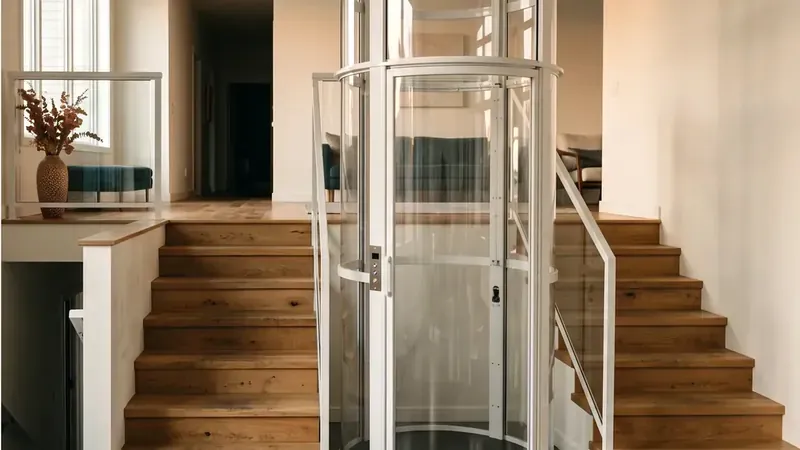 Pneumatic vacuum elevator | $35,000–$60,000 |
Installed for two floors. Also priced: a platform lift (an open platform, not an enclosed elevator) $5,000–$20,000, and a glass elevator $50,000–$100,000. Yearly service: $300–$760 (Angi).
Rules and Installer Pay in Vermont
- State permit or inspection
- Partly: exempt unless rented or a condo
- Licensed installer for home work
- Not needed unless rented or condo
- Electrician pay
- $30.49 an hour (US $30.38)
- Owner-occupied home, state permit
- none required
- Condos and rentals, inspection
- $100 to $175 at most, set by the type of lift
- State help to pay in Vermont
- Low-cost loan, grant
Rules set by the Vermont Department of Public Safety.
The typical price is the middle of 51 published US prices for two floors (HomeGuide alone quotes $30,000 to $60,000). How the figures are built.
Using national prices, the typical home elevator cost in Vermont is somewhere between $30,000 and $50,000 once it's in. Living in and owning a single-family house means the state leaves you alone on permits and inspections. A dealer near you can come measure your place and put a price in writing, so your real number is on the table before you commit.
Home Elevator Prices by Type
Nothing moves the price as much as which kind of lift you pick. These typical installed costs for each type of lift are drawn from the middle points of price ranges that installers publish (how we work these out).
With a shaftless model, the car rises through a hole cut into the floor and runs without its own enclosed tower. That's a big part of why it usually undercuts a shaft elevator. Nationally, putting an elevator in a two-story house runs $30,000 to $60,000 with installation.
Extra Floors and Building a Shaft
Every floor past two adds roughly $9,000 to $15,000 to the total. The shaft is the enclosed space where the car rides. If your house doesn't have one already, putting one up can add $5,000 to $25,000.
Vermont labor costs land right around the national average. Electricians in the state earn a median $30.49 an hour, nearly matching the US median of $30.38. Carpenters, the trade that builds out the shaft and the floor opening, typically make $30.00 an hour.
A dealer who looks at your stairs and floors in person can tell you which of these costs fit your house.
Is a State Permit Needed in Vermont?
Only "public buildings" fall under the state's elevator rules. A single-family home where the owner lives is not a public building. So for your own home, the state requires no permit, no inspection, and no licensed mechanic for a lift.
But the rules do reach some homes:
- Condos and co-ops. These buildings count as public, so an elevator that serves the units must be permitted, installed by a licensed pro, and inspected.
- Rented homes. Rent your home out, whether for one night or longer, and it becomes a public building. Short-term rentals count too.
- In-unit chairlifts. A private chairlift kept inside a single apartment or condo unit remains exempt, even when the building itself is regulated.
Renting out part of your home now, or thinking about it later? Tell the dealer, because that shifts which rules apply to you.
What Permits and Inspections Cost for Condos and Rentals
In places where these rules kick in, the Department of Public Safety has to issue a permit before the work can start. The application fee is $25. After that, a licensed elevator inspector comes out to check the lift, and the rules put a ceiling on what the visit can cost (the limit is set in state rules).
| Lift type | Highest inspection fee |
|---|---|
| Stairway chairlift or home elevator | $100 |
| Lift with a platform | $150 |
| LULA-style elevator | $175 |
The LULA is a compact, commercial-style elevator designed for light duty, common in small buildings. The state's $25 certificate fee is folded into each of these fees. For buildings like these, the Division of Fire Safety applies national safety codes with Vermont's own adjustments on top.
Who Can Install a Home Elevator?
The state issues separate licenses for elevator mechanics and lift mechanics. A lift mechanic's scope covers only platform lifts and stairway chairlifts. You must hold that license to work on lifts in condos, rentals, and other regulated buildings: a single-family home you own and occupy is exempt.
Our dealers can walk you through what your type of home requires before anything gets underway.
Ways to Pay in Vermont
A few Vermont programs can cut the cost or spread it out.
- The Independence Fund. Green Mountain Credit Union will lend you anywhere from $500 to $150,000 to cover assistive technology and updates to your house. You get up to 96 months to pay it back.
- Sales tax exemption. Stairlifts, plus wheelchair lifts that move a person up a staircase, count as mobility equipment and skip Vermont sales tax. No prescription required.
- VCIL Home Access Program. Run by VCIL, this program funds entry and bathroom updates for Vermonters with low incomes and physical disabilities. Elevators aren't covered, but it can help pay for other projects in the same house.
Get in Touch with a Lift Installer Near You
One call gets you connected to a dealer in your area who handles home elevators. That person comes out, takes the measurements, and hands you a written quote, giving you solid figures to plan around. Call today to start your quote.
Sources: middle of published US price ranges, Vermont elevator rule (Vermont Department of Public Safety), BLS wage figures for Vermont, The Independence Fund, VCIL Home Access Program.
Nearby states: Massachusetts · New Hampshire · New York
Talk to a Lift Installer Near You
One call gets you a local home elevator dealer who can measure your house and put a written price on it.