
Home Elevator Cost in Minnesota
- Typical installed price, 2 floors (US)
- $30,000–$50,000
- Our estimate for Minnesota, 2 floors
- $31,000–$53,000
- US range, cheapest to dearest kind
- $20,000–$60,000
- Minnesota state fee
- $100 permit plus 1.5% of job cost
Ask whether your installer's quote already includes the Minnesota state fee.
Installed Price by Kind of Lift
Installed for two floors. Our Minnesota estimate moves each US price by the same share as the state's two-floor estimate (elevator installers' pay against the US).
| Kind of lift | Our estimate in Minnesota, 2 floors |
|---|---|
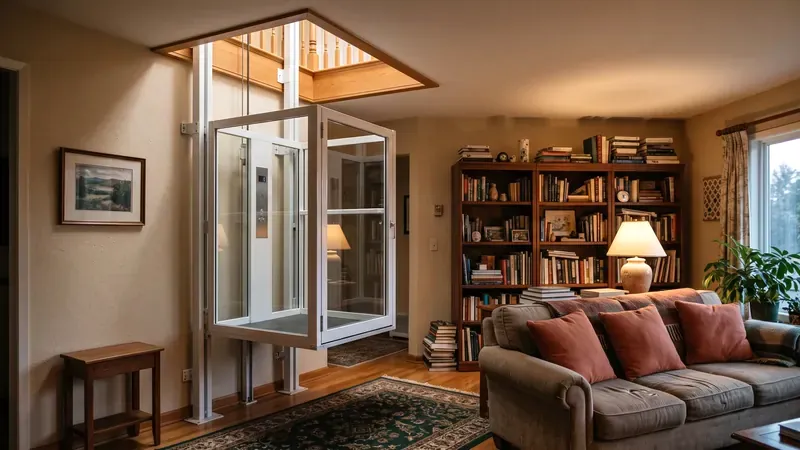 Shaftless home elevator | $21,000–$37,000 |
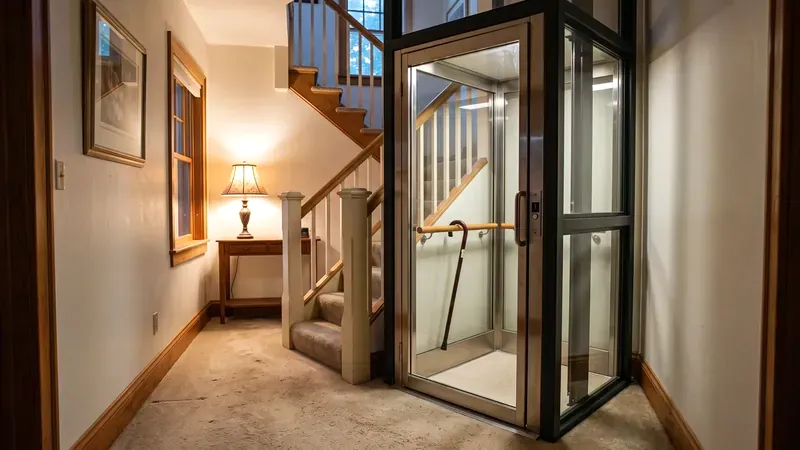 Small one person lift | $26,000–$32,000 |
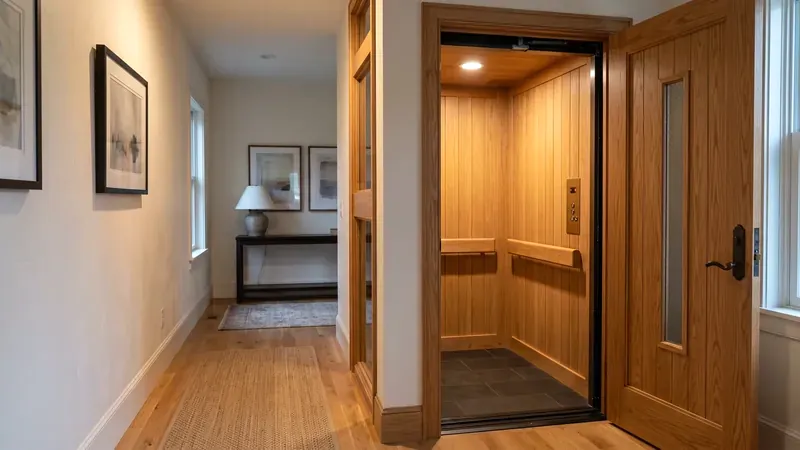 Hydraulic elevator | $26,000–$60,000 |
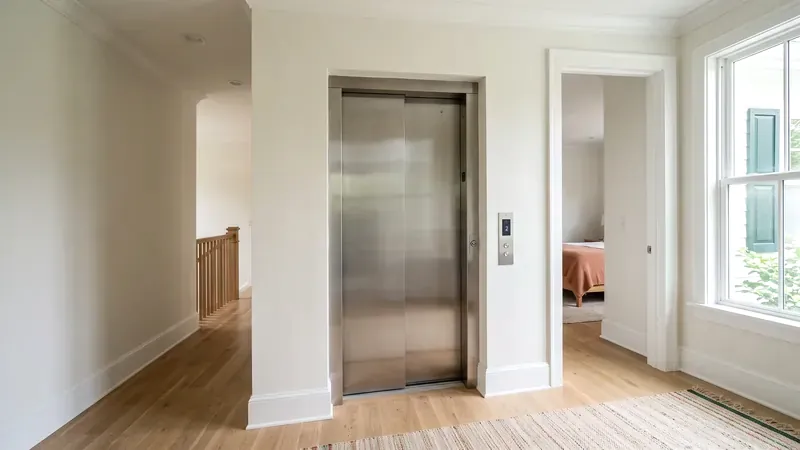 Traction or cable elevator | $28,000–$53,000 |
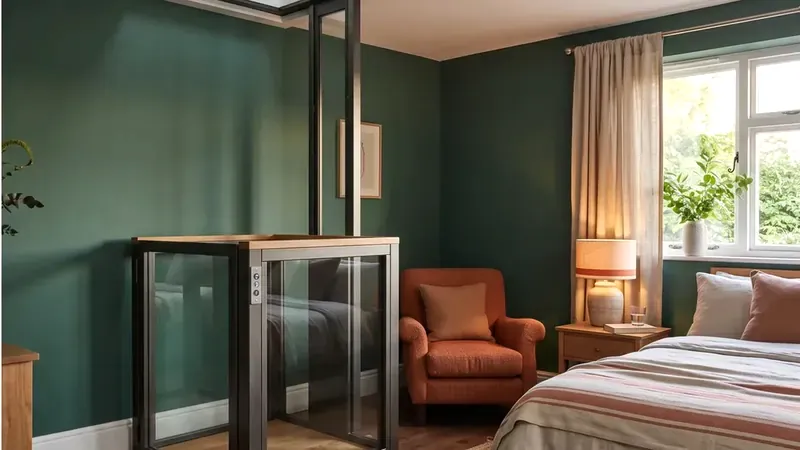 Through floor lift | $31,000–$64,000 |
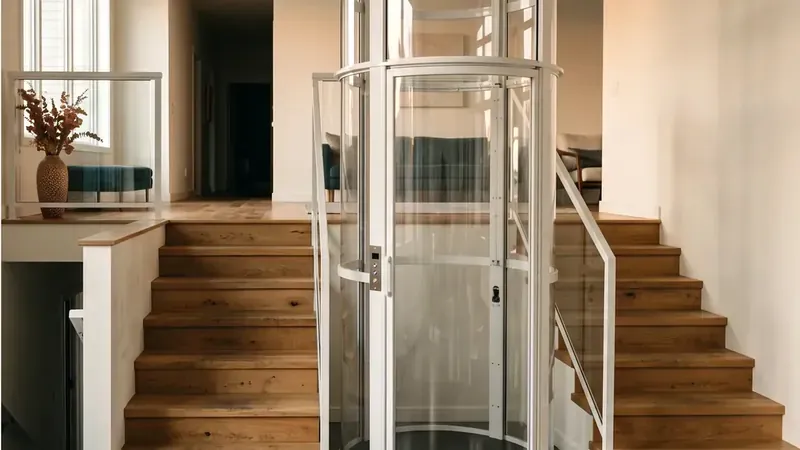 Pneumatic vacuum elevator | $36,000–$64,000 |
Installed for two floors. Also priced: a platform lift (an open platform, not an enclosed elevator) $5,000–$20,000, and a glass elevator $50,000–$100,000. Yearly service: $300–$760 (Angi).
Rules and Installer Pay in Minnesota
- State permit or inspection
- Yes: state permit and inspection
- Licensed installer for home work
- Yes: limited residential licence or higher
- Elevator installer pay
- $61.55 an hour (US $52.84)
- Yearly operating fee
- a home elevator owes nothing once the first year is over
- State help to pay in Minnesota
- Medicaid waiver (up to $40,000), low-cost loan
Rules set by the Minnesota Department of Labor and Industry.
The typical price is the middle of 51 published US prices for two floors (HomeGuide alone quotes $30,000 to $60,000). How the figures are built.
Published national prices are the guide for a typical home elevator cost in Minnesota: $30,000 to $50,000 installed, and a basic two-story lift is often cheaper than that. On top of the price, Minnesota insists that every job pull a permit, pass an inspection, and use a licensed installer. Some state programs may chip in toward the bill. One call gets your house measured and a written price on the way: call now to start.
What Does Each Kind of Home Elevator Cost?
Nothing moves the price as much as which kind of lift you pick. We worked these prices out ourselves, using ranges published in our price research.
The shaft is the enclosed space where the car rides up and down. A shaftless model skips that enclosure, which is one reason it tends to be cheaper. A pneumatic elevator works by suction: air pushes a see-through, tube-shaped car up and down. Nationally, most two-story home elevators land somewhere between $30,000 and $60,000 once installed.
Adding Floors or a New Shaft
Every floor past two adds roughly $9,000 to $15,000. If your home has no shaft, putting one in costs about $5,000 to $25,000 more. Both of these items can swing a quote a lot, so having someone measure your house beats guessing every time.
Labor Costs in Minnesota
The median pay for elevator and escalator installers in Minnesota is $61.55 an hour. The national median is lower, at $52.84. Carpenters, the ones who frame the shaft or open up the floor, make a median $31.22 an hour in the state.
Is a Permit Required for a Home Elevator in Minnesota?
Yes: Minnesota makes no exception for private homes. Any elevator, even one inside a house, needs a permit before it goes in, gets changed, or gets taken out, and it has to be inspected. You get the permit through the Minnesota Department of Labor and Industry, or through a city that the state allows to do elevator inspections.
The contractor you hire, who must hold an elevator license, files the paperwork for you. The state's fees are:
- Permit: $100
- Inspection: 1.5% of what you spend on labor and materials, which covers two visits
- Each additional visit: $80 an hour
- Video inspection done remotely for a stair chairlift at home: $10
So the bigger the job, the more you pay in inspection fees. Your first yearly operating permit is bundled into the installation permit. After that first year, a home elevator skips the $145 yearly operating fee that other elevators in Minnesota pay.
St. Paul and Minneapolis Permits
In St. Paul, the city handles its own elevator permits and inspections, stair chairlifts in private homes included. The fee there is 1.5% of what the job is worth, with a $151 minimum. Minneapolis stopped issuing elevator permits itself. Since January 1, 2021, those permits are handled by the state.
Who Is Allowed to Install One?
The state issues licenses to elevator contractors and to the crews who do the building. A limited license exists that covers only lifts for houses: home elevators, platform lifts, and stair chairs. A licensed elevator constructor working under a licensed contractor has to do the installation of a home elevator. Other employees of a licensed contractor may put in platform lifts and stair chairs, though they are not allowed to do the wiring.
New and altered elevators have to follow national safety codes with Minnesota changes. Stair chairlifts that travel along the stairs are allowed in a private home only, with some exceptions. Your local dealer, properly licensed, takes care of the permit and the code requirements for you, so call now for a measurement of your home.
Help With the Bill in Minnesota
A number of Minnesota programs can help cover the cost.
- Disability waivers. A waiver is state support that pays for services in the home for people with disabilities. If you are on Minnesota's BI, CAC, CADI, or DD waiver, you can receive as much as $40,000 a year to spend on home and vehicle modifications together. Your local agency can request an exception from the state. The Elderly Waiver and Alternative Care programs carry a lower yearly cap.
- Fix Up Accessibility Loan. Minnesota Housing makes loans from $2,000 to $75,000 available, at a fixed rate, for terms up to 20 years, through participating lenders. There is no income limit on the accessibility version.
- Loan Program for Emergencies and Accessibility. Homeowners with low incomes can borrow as much as $37,500 for accessibility work for someone in the household who has a disability. Income limits apply, and assets are capped at $25,000. The loan is forgiven, meaning you never repay it, provided you keep living in the home and hold the title through the whole term, which can run up to 15 years.
- STAR Program. Through Minnesota's STAR Program, residents get help finding and using assistive technology.
A written quote from a dealer makes applying to any of these programs simpler.
A Written Quote for Your Home
The lift type, how many floors you have, and whether a shaft has to be built all shape what you will end up paying. Make one phone call, and a nearby home elevator dealer will come measure your house and put the price on paper. Call now and get a number built around your home.
Sources: middle of published US price ranges, Minnesota elevator rule (Minnesota Department of Labor and Industry), BLS wage figures for Minnesota, Minnesota DHS Environmental Accessibility Adaptations, Minnesota Housing Fix Up Accessibility Loan, Minnesota Housing Emergency & Accessibility Loan Program.
Nearby states: Iowa · North Dakota · South Dakota · Wisconsin
Talk to a Lift Installer Near You
One call gets you a local home elevator dealer who can measure your house and put a written price on it.